Nature Meditation Techniques in the Eifel
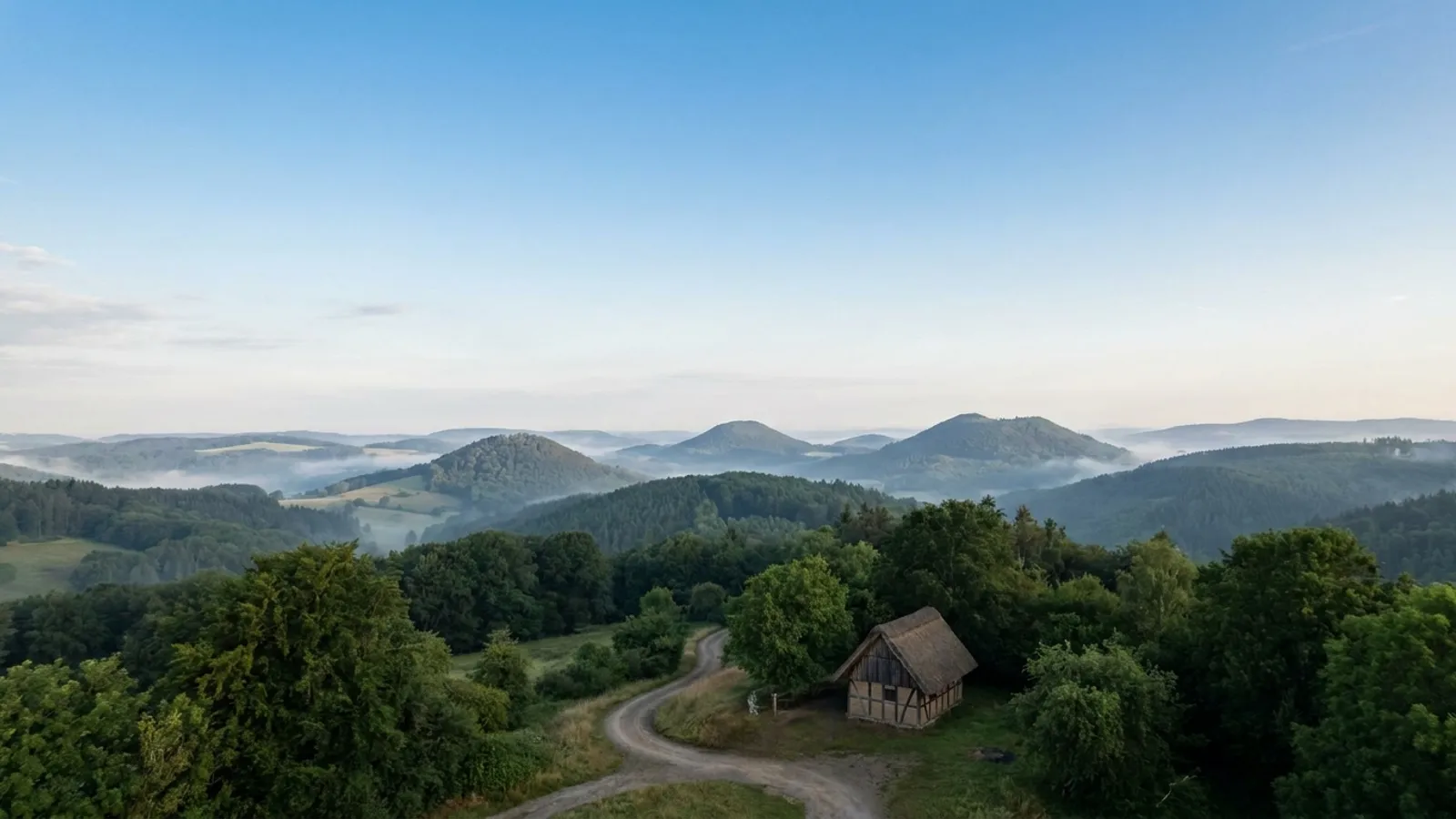
The Eifel, a region renowned for its ancient volcanic landscapes, dense forests, and tranquil waters, provides an exceptionally fertile ground for those seeking to deepen their meditation practice through a connection with the natural world. Far from the distractions of urban life, the Eifel’s unique biodiversity and geological history offer a rich tapestry of sensory experiences that can profoundly enhance mindfulness and inner calm. Incorporating nature into meditation is not merely about being outdoors; it is about engaging with the environment in a specific, intentional manner that fosters presence and awareness. This guide offers practical techniques and considerations for cultivating a meaningful nature meditation practice within the Eifel's distinctive embrace.
Understanding the Eifel's Natural Palette
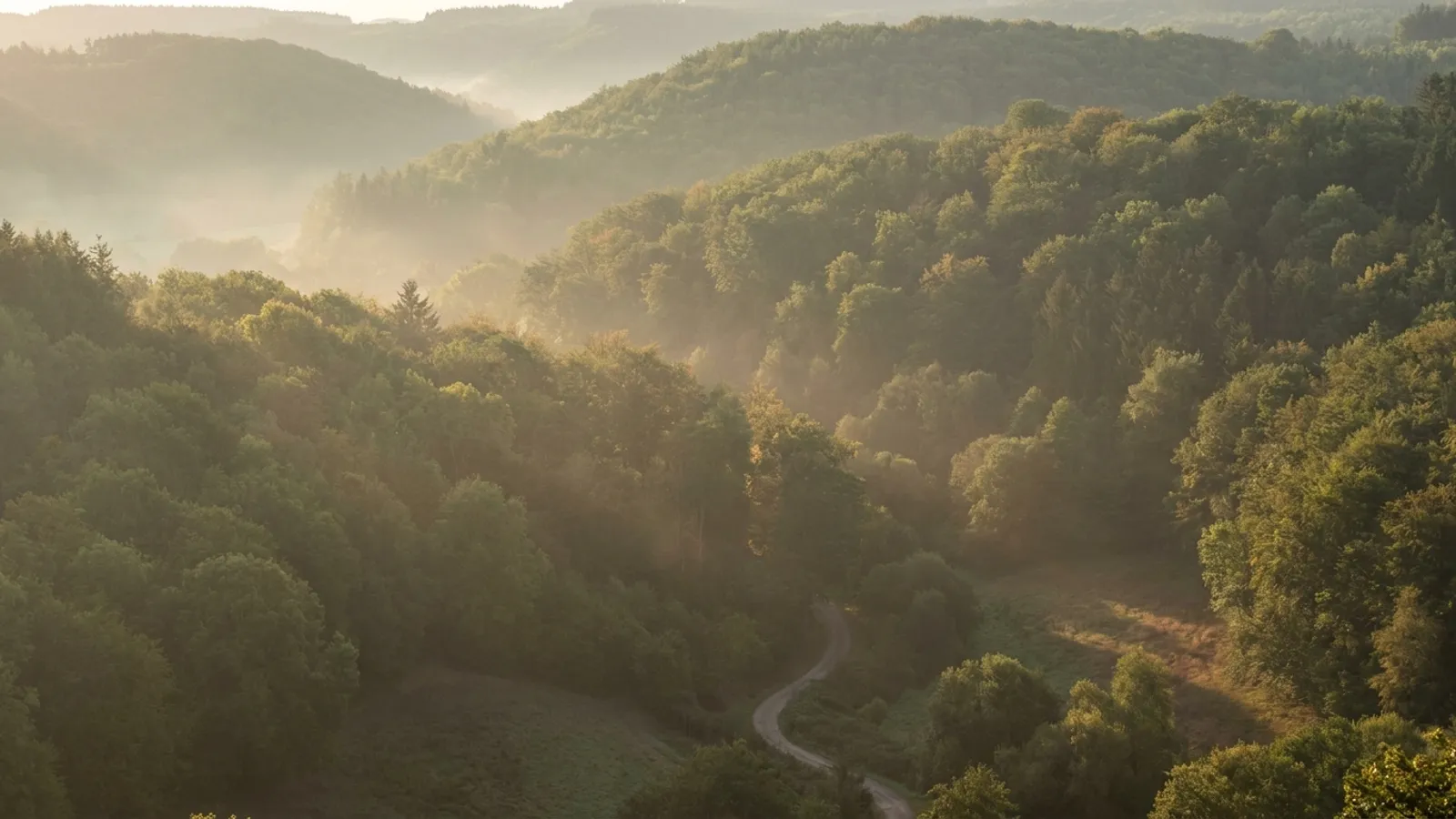
Before embarking on specific techniques, it is beneficial to recognise the diverse natural elements the Eifel presents. From the dense, ancient beech and oak forests, particularly vibrant in spring and autumn, to the serene waters of the maars – volcanic lakes such as the Pulvermaar or the Laacher See – each offers a distinct energetic quality. The gentle murmur of the Kyll River, the rugged basalt columns, or the expansive views from higher elevations all contribute to a sensory landscape ripe for meditative exploration. Acknowledging these varied environments allows for a more tailored approach to nature meditation, enabling practitioners to choose settings that resonate most deeply with their current needs or intentions. Consider how the grounding presence of ancient trees contrasts with the fluid movement of water, and how these differences can inform your practice.
Sensory Immersion: The Foundation of Nature Meditation
The most accessible and foundational nature meditation techniques revolve around sensory immersion. This involves deliberately engaging each of your senses with the natural environment. Begin by finding a quiet spot, perhaps nestled amongst the trees in the Eifel National Park or beside a tranquil stream. Close your eyes for a moment to internalise the sounds: the rustling of leaves, the distant call of a bird, the subtle hum of insects. Notice the different layers of sound, rather than attempting to label them. Then, open your eyes and observe the visual details: the intricate patterns of bark, the varying shades of green, the play of light and shadow. Pay attention to the textures underfoot, the feel of the air on your skin, and even the subtle scents carried on the breeze – the earthy aroma of damp soil after rain, the sweet perfume of wildflowers. The aim is not to analyse, but to simply receive and register these sensations, allowing them to anchor your awareness firmly in the present moment. This deep sensory engagement helps to quiet the internal dialogue and foster a profound sense of connection.
Walking Meditation in Eifel Landscapes
Walking meditation, or kinhin, is particularly effective in the Eifel, where numerous trails wind through diverse ecosystems. This practice involves bringing mindful awareness to the act of walking itself. As you move, pay attention to the sensation of your feet connecting with the earth – the shift of weight, the flex of your muscles, the rhythm of your breath. Let your gaze be soft and expansive, taking in the surroundings without fixing on any single object. Notice the changing light, the textures of the path, the sounds that accompany your movement. This is not about reaching a destination, but about experiencing each step as a complete moment. Consider walking barefoot on a soft forest floor or a grassy meadow, if safe and appropriate, to enhance the tactile connection with the earth. The Eifel's gentle inclines and varied terrain offer opportunities to practice mindful walking both slowly and at a more natural pace, always returning your attention to the physical sensations of movement and the breath.
Water Contemplation: Maars and Rivers
The Eifel's volcanic lakes, or maars, and its network of rivers and streams provide exceptional opportunities for water-based meditation. Water, with its inherent fluidity and reflective qualities, can be a powerful mirror for inner contemplation. Find a quiet spot by the edge of a maar or a flowing river. Observe the movement of the water: the gentle ripples on the lake's surface, the steady current of a stream. Notice how light dances on the water, how colours are reflected. You might use the water as a focal point for a 'gazing' meditation, allowing your eyes to rest softly on its surface without judgment or analysis. Alternatively, you can use the sound of flowing water as an auditory anchor for your meditation, letting its continuous murmur wash over you. Consider the metaphors water offers: adaptability, flow, purification, and the constant cycle of change. Engaging with water in this mindful way can evoke a sense of calm, clarity, and renewal, making it a valuable addition to your yoga retreat Eifel experience.
Integrating Nature's Cycles: Seasons and Elements
Beyond individual techniques, a deeper integration of nature meditation involves acknowledging and aligning with the Eifel's natural cycles. Observe how the changing seasons influence the landscape and, by extension, your inner state. Spring brings forth new growth and vitality, summer offers warmth and abundance, autumn showcases transformation and release, and winter invites stillness and introspection. Meditating with an awareness of these cycles can foster a profound sense of connection to the greater rhythms of life. Similarly, consider the classical elements present in the Eifel: earth (the volcanic rock, the soil), water (maars, rivers), air (the wind through the trees), and fire (the sun's warmth, or the ancient volcanic origins). Intentionally connecting with these elemental forces during your meditation can deepen your practice, allowing you to draw upon their specific qualities for grounding, cleansing, energising, or calming. This holistic approach integrates the Eifel's unique geological and ecological characteristics into a rich and nuanced meditative journey.
The featured retreat
For those seeking a structured environment to explore these nature meditation techniques, many yoga retreats in the Eifel offer programmes specifically designed to integrate the region's natural beauty into their teachings. These retreats often provide guided sessions and silent periods, allowing participants to fully immerse themselves in the meditative potential of the Eifel's tranquil landscapes.